I never wanted to be defined by one title or one tool. I wanted to understand how every part of communication works together (the message, the design, the build and the film) and bring them into one piece of work that does its job.
That starts with the problem. About 80% of the work is understanding it, deciding what needs to be done and why, and setting the direction and strategy. The other 20% is execution, and it goes further because the first 80% was done. I'm more interested in the bigger picture and connecting the dots than in any single tool.
I trained in design, with a Bachelor of Science in Graphic Communications, and before that earned an Associate of Science in Business Administration. I don't claim to be a business or marketing expert. That degree gives me a perspective: I understand the goals behind a brief and the marketing it serves, and that shapes every design and production decision.
New tools enter my work the same way every time: research, a bounded test, integration into real production, then documentation the team can reuse. AI is one of them.
The path. Each stop added one thing.
Until 2010
Until 2010
Education
Started: a business lens, then design.
Northern Virginia Community College · University of the District of Columbia
Associate of Science in Business Administration, then a Bachelor of Science in Graphic Communications. First website in 2008, a class project in hand-written HTML, CSS and PHP; then Joomla, and later WordPress.
2010–2019
Motion Graphics Artist & Web Designer, then Art Director
Added: craft and pipeline.
TriVision Studios
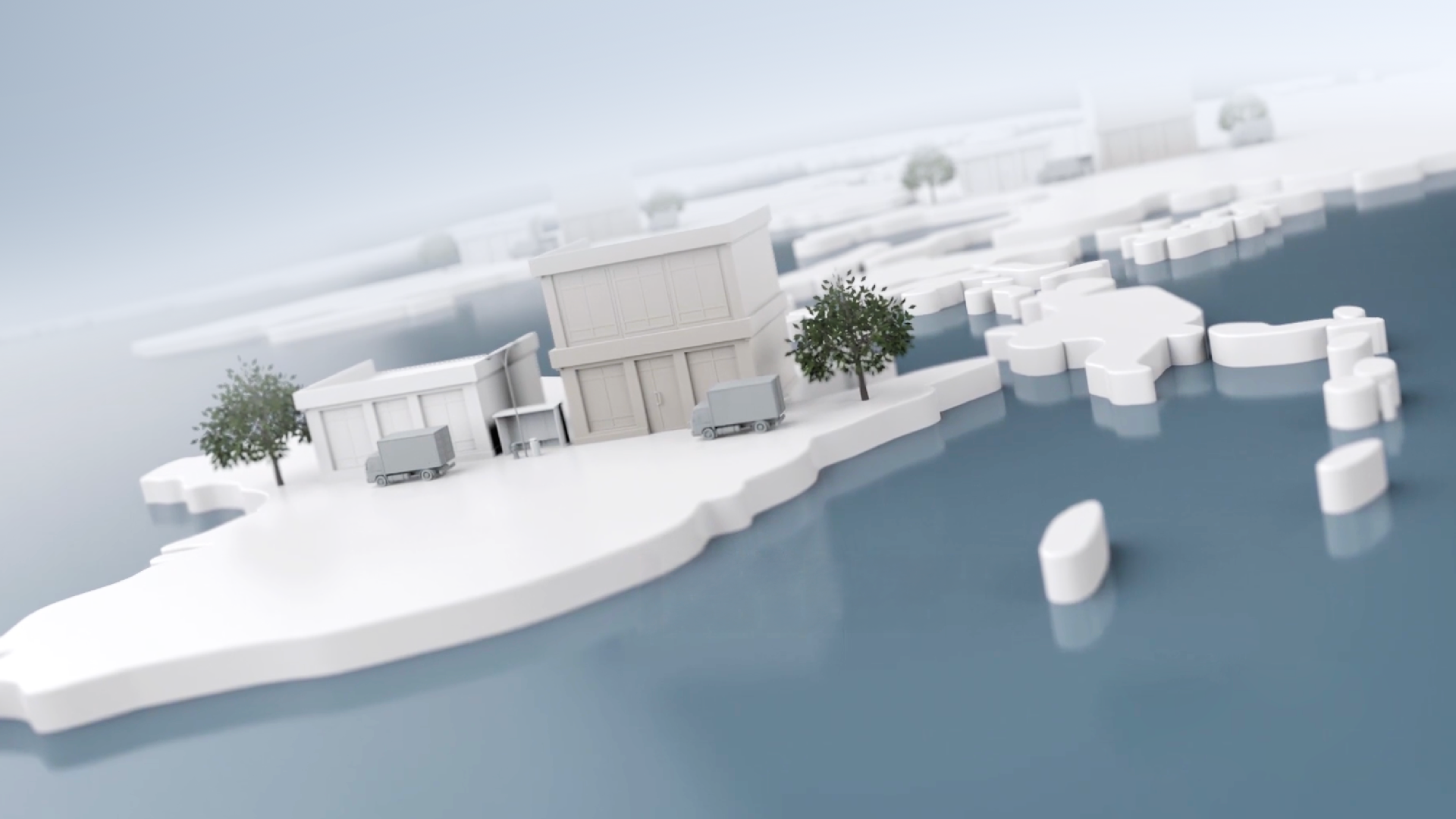
Built the pipeline behind 55+ motion projects for federal, health and other clients (explainers, marketing videos, brand films, corporate videos and animation), and supervised designers, animators, copywriters and vendors.
Supports Marketing, Communications, Sales enablement, Digital, Events and Creative operations. When volume calls for more hands, I lead freelancers or agencies, so the direction stays with me.
01
One brief, one owner
You explain the goal once. Strategy, design, build and film stay with one person, so nothing is lost in handoffs.
02
A lead when needed
Nine years at TriVision Studios, rising to art director. I can lead a freelance bench or work inside your team.
03
Systems that last
Templates and components that stay in use: at TRSS, 581 locked templates and a web system editors run themselves.
04
AI in the toolkit
AI speeds up drafting, building and checking. The judgment and every approval stay mine.
Direction
I rarely start productionbefore these four things are decided.
Before anything is designed, we agree on the objective and audience, what we'll make, who makes it and when, and how we'll measure the result. That is the first quarter of the work. Production is half, and it goes faster because nobody is guessing. The last quarter is checking what the work changed, and carrying that into the next round.
25%Understanding the Problem
50%Production
25%Impact and Analytics
01
Objective
The result we need, who it is for, and where it will run.
02
Scope
What we will make, in which formats, and with which tools.
03
Schedule
Who makes it, what ships first, and when it has to land.
04
Measurement
What we track from day one, and how we judge the result.
Feature Film
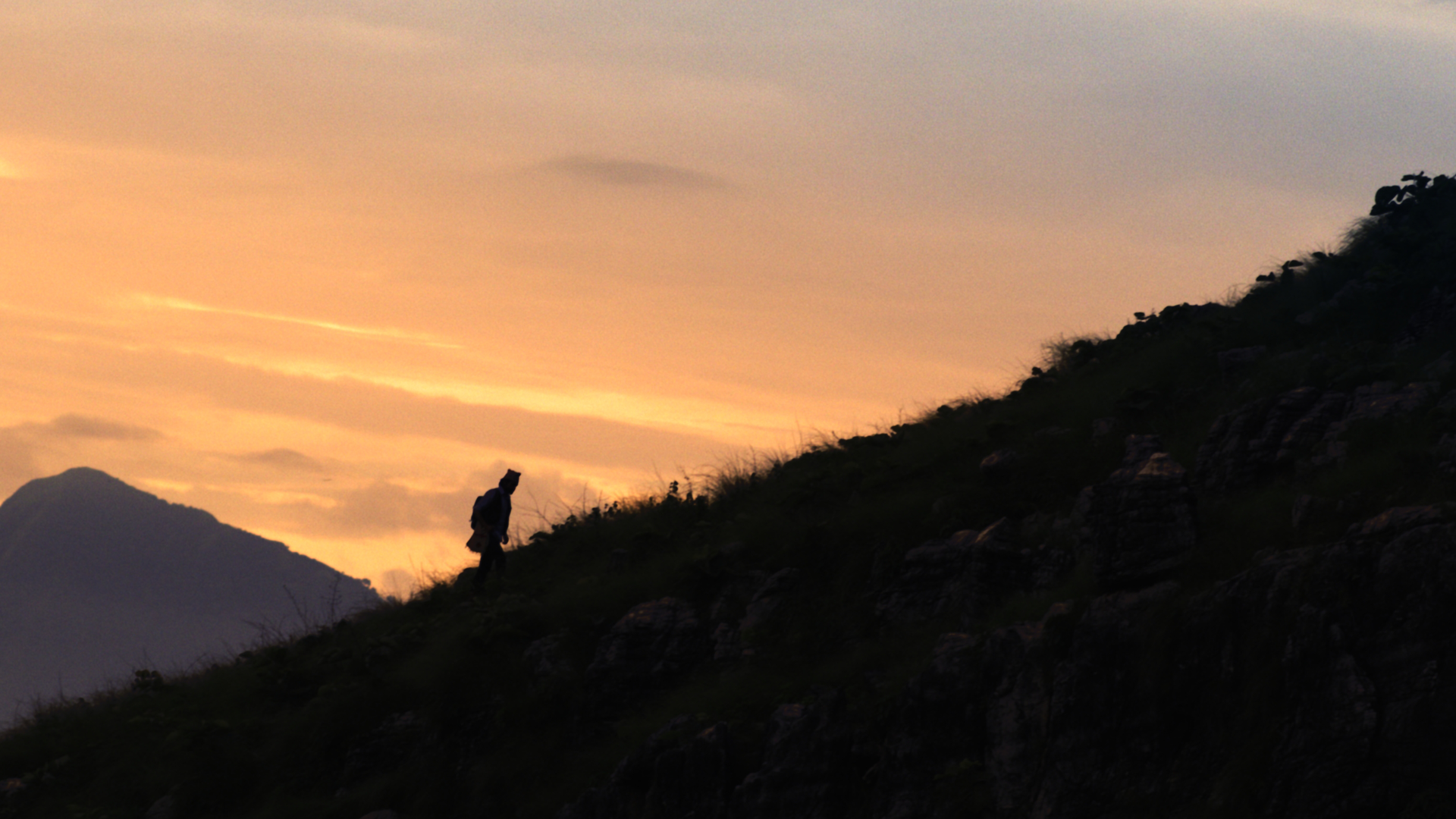
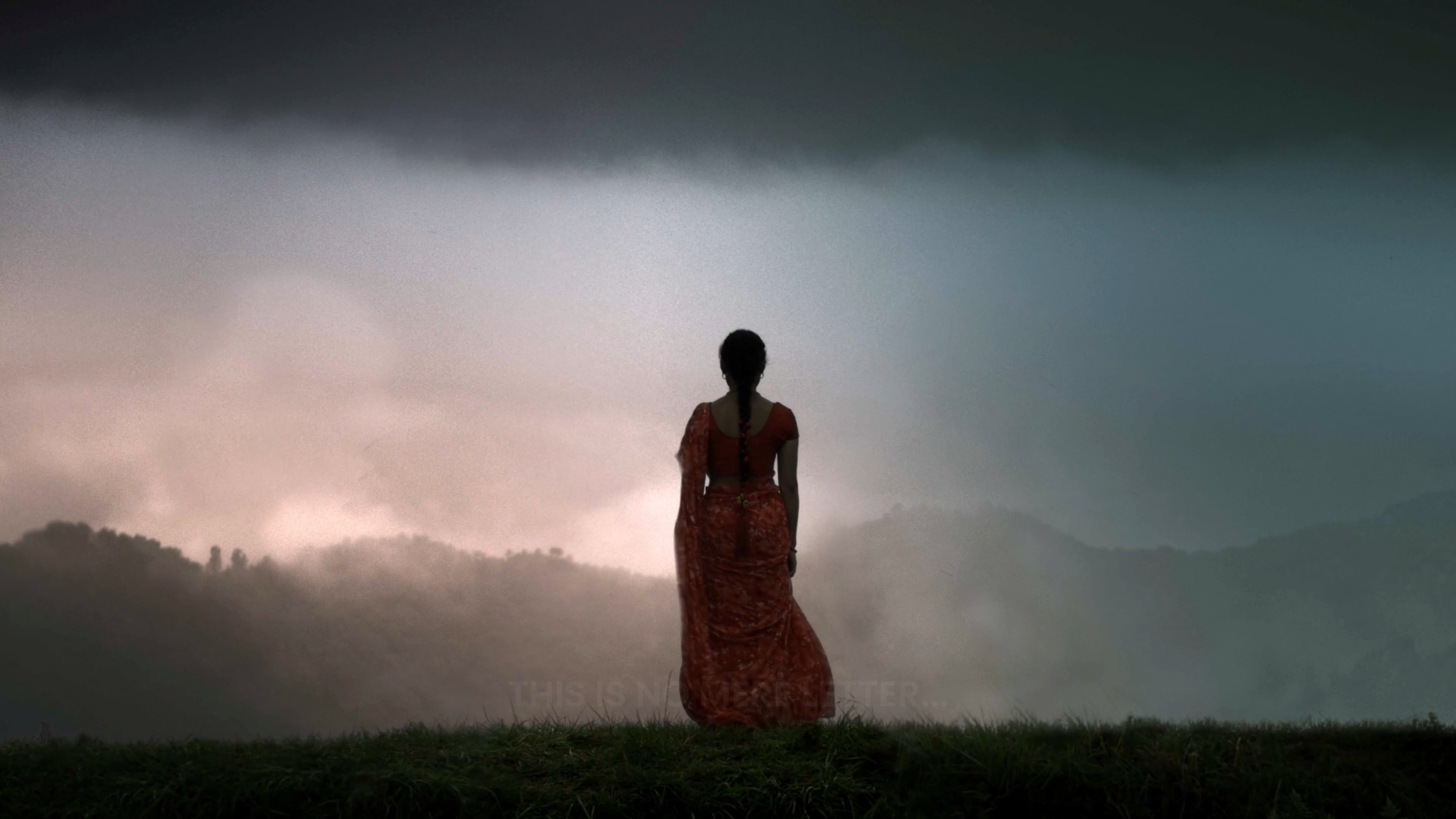
Halkara, Nepal's official submission for the 96th Academy Awards.
Writer, producer and director. Selected September 18, 2023, for Best International Feature Film. Not nominated.